Investing in Brookings SD Real Estate: Cap Rates, Cash Flow, and the Student Rental Strategy


Brookings has quietly produced some of the most consistent cash-flowing residential investment properties in the Northern Plains — not because of explosive appreciation, but because of structural demand from SDSU, low vacancy, and a landlord-friendly legal environment. Here’s how the numbers actually work for investors in 2026.
Why Brookings Works as an Investment Market
Captive Demand from SDSU
South Dakota State University enrolls 13,500+ students, employs 3,000+ faculty and staff, and generates a consistent pool of renters who need housing for defined 1–4 year periods. Unlike purely job-driven rental markets, university towns don’t collapse during recessions — enrollment often increases during downturns as workers return to school. This gives Brookings a counter-cyclical rental demand floor that purely residential markets don’t have.
Vacancy Rates Structurally Below 4%
Brookings has maintained sub-4% vacancy for the past several years. For an investor, low vacancy directly translates to high occupancy rates and predictable cash flow. A 4-plex sitting at 95% average occupancy earns the owner significantly more over a decade than an equivalent property in a 7–8% vacancy market.
SD Landlord Law Protects Investors
South Dakota’s 3-day pay-or-quit notice (versus 5 days in Minnesota, 10 days in Wisconsin) and fast magistrate court process means problem tenancies get resolved in weeks, not months. No rent control laws, no just-cause eviction requirements, and no local housing authority bureaucracy make Brookings one of the most operationally efficient markets for landlords in the region.
The Numbers: Cap Rates and Cash Flow Analysis
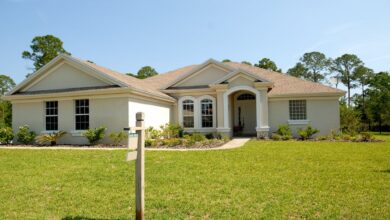
Single-Family Home (3BR/1BA)
- Purchase price: $220,000
- Monthly rent: $1,300
- Annual gross rent: $15,600
- Expenses (taxes $4,700, insurance $1,200, maintenance 8%: $1,248, vacancy 4%: $624, property management 8%: $1,248): ~$9,020
- Net Operating Income (NOI): $6,580
- Cap rate: 3.0%
On a pure cap rate basis, a single-family home in Brookings is thin. These properties make sense primarily as appreciation plays or for owner-occupants, not pure cash-flow investors.
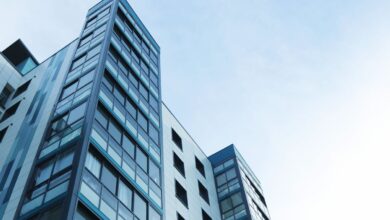
Student-Oriented 4-Plex (4 units × 2BR)
- Purchase price: $480,000
- Monthly rent per unit: $1,050 × 4 = $4,200/month
- Annual gross rent: $50,400
- Expenses (taxes $8,200, insurance $3,500, maintenance 8%: $4,032, vacancy 3%: $1,512, management 8%: $4,032): ~$21,276
- NOI: $29,124
- Cap rate: 6.1%
Multi-family properties near SDSU perform significantly better on cap rate. At 6.1%, a well-run 4-plex delivers real cash flow after debt service on a 25% down investment.
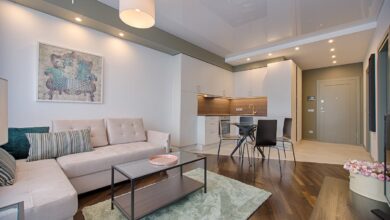
Student Shared Housing (1 house, 4 individual bedrooms)
The highest-yield strategy in Brookings: lease individual bedrooms by-the-room in a 4BR house rather than renting the whole unit to a single group. Example:
- Purchase price: $245,000 (4BR near campus)
- Bedroom rent: $575/room × 4 = $2,300/month
- Annual gross rent: $27,600
- Gross rent yield: 11.3%
The trade-off: higher management intensity, more tenant turnover, and the need for house rules and individual leases. But for a self-managing local investor, the yields justify the effort.
Financing Considerations for Investors
Conventional Investment Property Loans
- Minimum 15% down for single-family investment property (20–25% for better rates)
- Current rates: approximately 7.0–7.5% for 30-year investor mortgages in 2026
- DSCR (Debt Service Coverage Ratio) loans available for multi-family without W-2 income verification — useful for self-employed investors
SDSU Faculty/Staff Housing Opportunity
SDSU employees with stable employment records often qualify for conventional loans at slightly better terms through credit unions — particularly Dacotah Bank and Northeast South Dakota Federal Credit Union, which are active in the Brookings investor loan market.
Appreciation Trends: Measured, Not Explosive
Brookings home prices have appreciated at a 4–6% compound annual rate over the past decade — solid, but not the 10%+ seen in Sioux Falls or Rapid City. For investors, this means Brookings should be underwritten primarily on cash flow, with appreciation as a secondary benefit rather than the main thesis. Properties purchased with the expectation of rapid appreciation will likely disappoint. Properties purchased for steady 6%+ cap rate cash flows and tenant stability will likely perform well over a 7–10 year hold.
What to Avoid in the Brookings Investment Market
- Overpriced single-family homes near campus: Sellers have caught on; prices often exceed what cash flow supports
- Properties with deferred maintenance: South Dakota winters are brutal — a leaking roof or aging furnace becomes an emergency
- Units more than 1.5 miles from SDSU without strong amenities: Student demand drops sharply beyond walking/biking distance of campus
- Expecting Minneapolis-level appreciation: Brookings is a stable, steady market — not a high-growth speculation play
Getting Started: Local Resources for Investors
- Brookings County GIS Viewer: Parcel data, ownership records, tax history — free at brookingscountysd.gov
- South Dakota Secretary of State: LLC formation for property holding — $150 online, no annual fees
- Brookings Area Association of Realtors: Local MLS access and investor-focused agents
- SDCL 43-32 (landlord-tenant law): Read the statute before your first rental — it’s 12 pages and highly relevant
Brookings real estate investing rewards patience, local market knowledge, and a preference for steady income over excitement. Investors who buy right, manage well, and hold for 10+ years consistently report strong risk-adjusted returns relative to the capital required.